Choosing the right radiator is about more than simply heating a room. The style, size, efficiency, and heat output of a radiator can influence comfort levels, energy consumption, and the overall appearance of your home. Among the most popular options available today are column radiators and panel radiators. Both have distinct advantages, making them suitable for different properties, room layouts, and interior styles. Understanding the differences between these heating solutions can help homeowners make a confident and informed decision that balances performance with aesthetics.
Many UK homeowners researching heating upgrades often encounter products from Stelrad, one of the country’s best-known radiator manufacturers. The company offers both column and panel radiator ranges, reflecting the ongoing popularity of each design. While both options serve the same primary purpose, they differ significantly in construction, appearance, installation requirements, and heat distribution characteristics.
Understanding Column Radiators
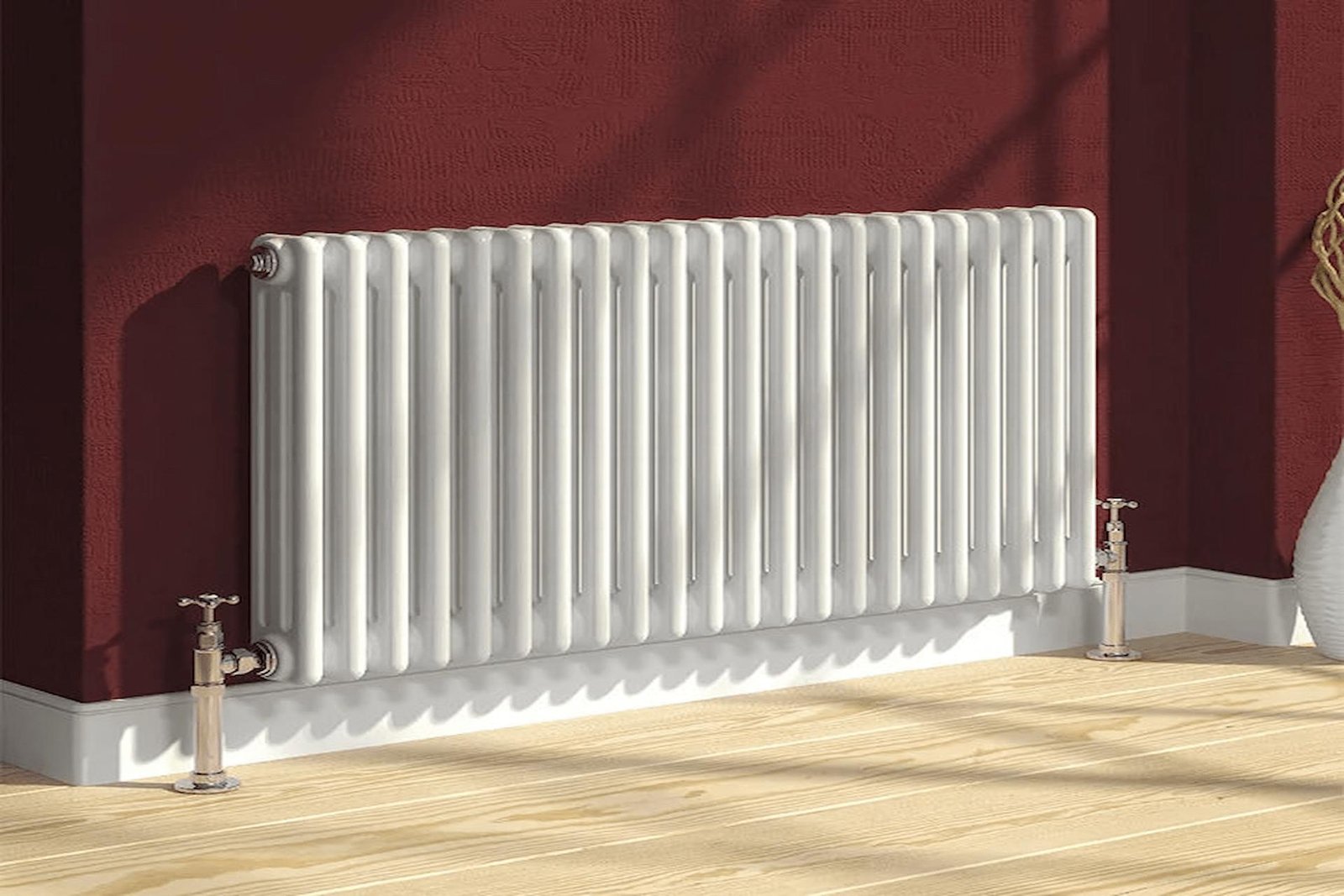
Column radiators feature a series of vertical columns connected to create a classic and distinctive appearance. Originally associated with traditional cast iron heating systems, modern versions are commonly manufactured from steel while maintaining their timeless look.
Key Characteristics
Column radiators are known for their elegant design and versatility. They are often chosen for period properties, heritage homes, and interiors seeking a more decorative heating solution.
These radiators are available in various heights, widths, and column configurations, allowing homeowners to match heating output with room requirements.
Understanding Panel Radiators
Panel radiators are among the most common heating solutions found in modern British homes. Their flat, streamlined design makes them practical and easy to integrate into a wide range of interiors.
How They Work
Panel radiators use steel panels and convector fins to maximise heat transfer. This design allows them to heat rooms efficiently while occupying relatively little wall space.
Because of their straightforward construction, panel radiators are often more affordable and widely available than decorative alternatives.
Comparing Heat Output
One of the most important considerations when selecting a radiator is heating performance.
Column Radiators and Heat Distribution
Column radiators typically contain more water than panel models. This allows them to retain heat for longer after the heating system switches off.
The larger surface area can also contribute to effective heat radiation, creating a comfortable and consistent warmth throughout a room.
For homeowners comparing options from Stelrad, understanding radiator output ratings is essential. Modern manufacturing techniques have improved the efficiency of both column and panel designs, meaning performance should be assessed based on BTU requirements rather than appearance alone.
Panel Radiators and Fast Heating
Panel radiators generally heat up more quickly because they contain less water. This rapid response can help households achieve desired temperatures faster and potentially improve energy efficiency in frequently used spaces.
For rooms requiring quick temperature adjustments, panel radiators often have an advantage.
Style and Interior Design Considerations
The visual impact of a radiator should not be overlooked.
Where Column Radiators Shine
Column radiators often become a design feature rather than simply a functional appliance.
They are particularly suited to:
- Victorian and Edwardian properties
- Country cottages
- Traditional interiors
- Industrial-inspired spaces
- Feature walls and statement rooms
Their character and visual presence can enhance the overall atmosphere of a room.
Where Panel Radiators Excel
Panel radiators blend seamlessly into contemporary environments.
They work especially well in:
- New-build homes
- Minimalist interiors
- Apartments
- Offices
- Modern family homes
Their clean lines and understated appearance help maintain a tidy, uncluttered aesthetic.
Space Requirements
Available wall space often influences radiator selection.
Column Radiators
Column radiators generally project further from the wall than panel alternatives. While this creates a striking visual effect, it may not be ideal for narrow hallways or compact rooms.
Panel Radiators
Panel radiators are typically slimmer and more space-efficient. Their lower profile makes them suitable for areas where every centimetre matters.
This practical advantage explains their popularity in many modern housing developments.
Installation and Maintenance
Ease of installation and ongoing maintenance can affect long-term satisfaction.
Installation Factors
Both radiator types can be installed by qualified heating engineers, but column radiators are often heavier due to their construction and water capacity.
Panel radiators are generally lighter and simpler to fit, which may reduce installation costs.
Ongoing Maintenance
Both designs require occasional bleeding and routine cleaning. However, column radiators may have additional gaps and surfaces that collect dust.
Panel radiators usually offer easier access for regular maintenance and cleaning.
Benefits of Column Radiators
Advantages at a Glance
- Traditional and stylish appearance
- Excellent heat retention
- Wide range of sizes and finishes
- Suitable for period properties
- Can serve as a decorative focal point
- Effective radiant heat distribution
These qualities make column radiators a popular choice for homeowners seeking both function and character.
Benefits of Panel Radiators
Advantages at a Glance
- Cost-effective heating solution
- Faster heat-up times
- Slim, space-saving design
- Easy installation
- Suitable for modern interiors
- Widely available across the UK
Their practicality and efficiency continue to make them one of the most commonly installed radiator types.
Which Option Offers Better Energy Efficiency?
Energy efficiency depends on more than radiator style alone. Factors such as insulation, boiler performance, room size, thermostat settings, and heating controls all play significant roles.
Panel radiators often respond more quickly to temperature changes, which can support efficient heating schedules. Column radiators, meanwhile, retain warmth for longer periods, potentially reducing the frequency of heating cycles.
The most efficient choice is usually the radiator that matches the room’s BTU requirement accurately.
Making the Right Choice
The decision between column and panel radiators ultimately depends on your priorities. If aesthetics, traditional charm, and heat retention are high on your list, a column radiator may be the ideal solution. If you value affordability, compact dimensions, and quick heating response, a panel radiator could be the better fit.
Finding Your Fit
Both column and panel radiators offer reliable heating and can perform exceptionally well when selected correctly. The best choice depends on your home’s style, available space, heating requirements, and personal preferences. Column radiators bring character, strong visual appeal, and lasting warmth, while panel radiators provide practicality, efficiency, and excellent value. By assessing room size, BTU requirements, and interior design goals, homeowners can select a heating solution that delivers comfort, efficiency, and long-term satisfaction throughout every season.