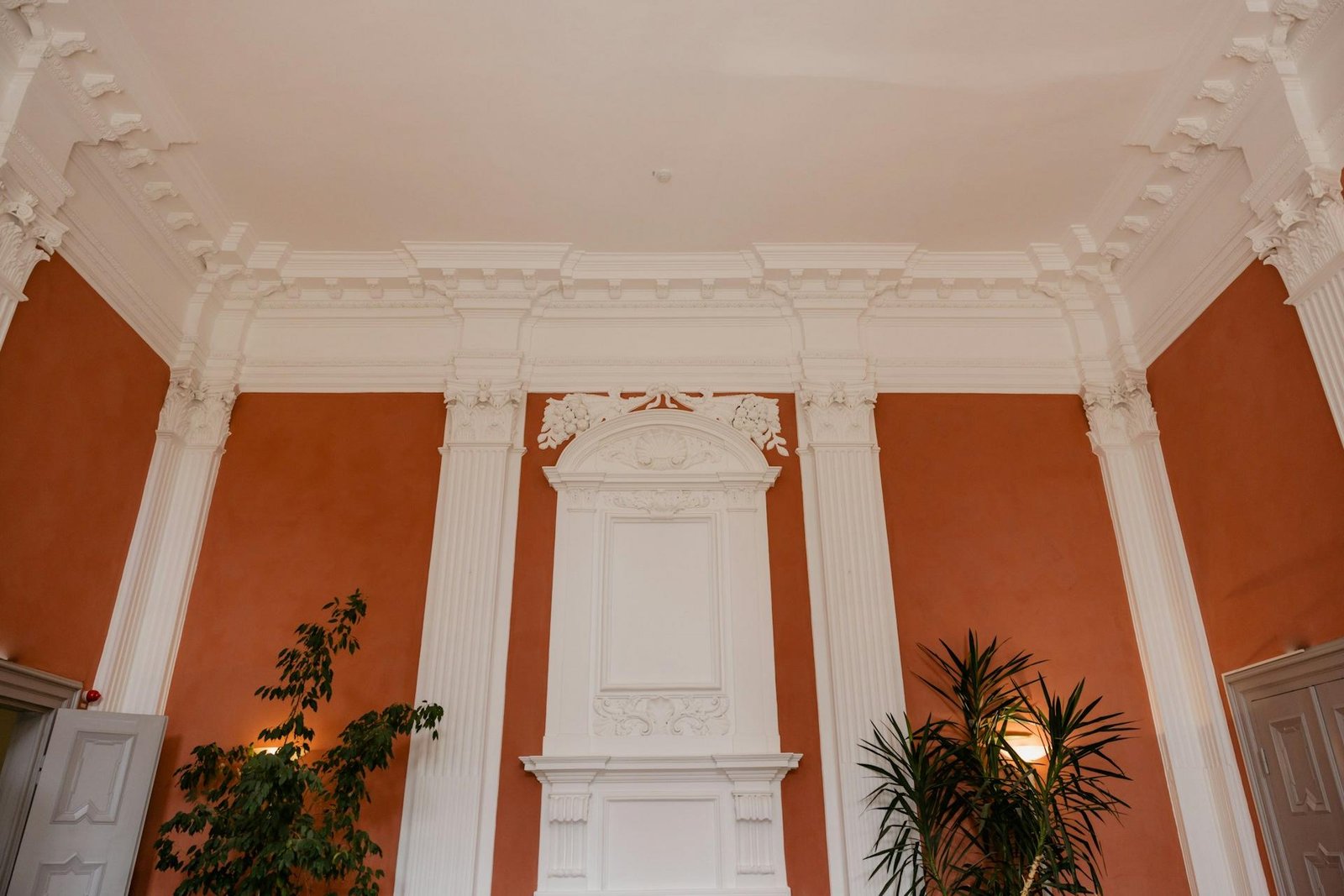
Few home upgrades create the same instant visual impact as crown molding. It adds depth, definition, and architectural character to plain walls and ceilings without requiring a full renovation. Even better, crown molding can make a room feel taller, more polished, and significantly more expensive than it actually is.
For many homeowners, though, the idea of installing crown molding sounds intimidating. Measuring angles, cutting corners, and securing long trim pieces can seem like work best left to professionals. The good news is that modern materials, beginner-friendly tools, and smarter installation methods have made crown molding far more accessible than most people realize.
Whether refreshing a single bedroom, upgrading a living room, or adding finishing touches throughout an entire home, crown molding offers a practical way to elevate interior design on a realistic budget. With the right preparation and a step-by-step approach, even first-time DIYers can achieve clean, professional-looking results.
Why Crown Molding Makes Such a Big Difference
Crown molding sits at the junction where walls meet the ceiling, creating a decorative transition that softens harsh edges and adds visual sophistication. While subtle in some spaces and dramatic in others, it naturally draws the eye upward and helps rooms feel more complete.
Beyond appearance, crown molding also increases perceived home value. Buyers often associate trim details with higher-quality craftsmanship and custom design. Even modest installations can make ordinary rooms feel thoughtfully finished.
It works especially well in:
- Living rooms
- Dining rooms
- Bedrooms
- Hallways
- Home offices
- Kitchens
- Entryways
Modern crown molding styles range from clean and minimal to ornate and traditional, making it suitable for almost any home aesthetic.
Choosing the Right Crown Molding Material
The material selected will affect installation difficulty, durability, appearance, and overall cost. Understanding the differences helps homeowners make smarter choices based on budget and skill level.
Wood Crown Molding
Wood remains one of the most traditional and durable options. It offers excellent detail and can be stained or painted depending on the desired finish.
Best for:
- Traditional interiors
- High-end custom finishes
- Stained wood trim designs
Pros:
- Strong and durable
- Premium appearance
- Excellent for detailed profiles
Cons:
- More expensive
- Heavier to install
- Requires precise cuts
MDF Crown Molding
Medium-density fibreboard (MDF) is one of the most popular budget-friendly choices. It comes pre-primed and works well in painted applications.
Best for:
- Budget-conscious projects
- DIY installations
- Modern painted interiors
Pros:
- Affordable
- Smooth finish
- Easy to paint
Cons:
- Less moisture-resistant
- Can be cut more easily than wood
Polyurethane Foam Crown Molding
Lightweight foam molding has become increasingly popular for beginners because it is easy to handle and often installs with adhesive alone.
Best for:
- DIY beginners
- Quick installations
- Decorative accent projects
Pros:
- Extremely lightweight
- Easy to cut
- Minimal tools required
Cons:
- Less durable than wood
- May lack authentic texture
Selecting the Right Crown Molding Style
Not every molding profile works in every room. Oversized trim in a small room can feel overwhelming, while thin molding in a large space may look underwhelming.
As a general rule:
- Small rooms work best with simpler profiles between 2 and 4 inches
- Medium-sized rooms suit 4 to 6-inch molding
- Large rooms with tall ceilings can support wider, layered profiles
Modern homes typically look better with clean lines and simple shapes. Traditional homes often suit more decorative molding with curves and layered detail.
Color also matters. White crown molding remains the most versatile option because it creates contrast while blending naturally with ceilings.
How to Measure Crown Molding Correctly
Accurate measurements prevent wasted material and installation delays.
Start by measuring each wall individually rather than estimating the entire room. Add extra length for corner cuts and minor mistakes. Most professionals recommend purchasing 10–15% more molding than the total measured length.
When measuring:
- Measure wall-to-wall at ceiling height
- Record each section separately
- Mark the inside and outside corners clearly
- Double-check dimensions before cutting
Taking time during this stage prevents costly errors later.
Understanding Inside and Outside Corner Cuts
Corner cuts are the part most homeowners worry about, but they become much easier with practice.
Inside Corners
Inside corners angle inward where two walls meet. These cuts typically require opposite 45-degree angles so the molding pieces fit together tightly.
Many DIYers use coping techniques for tighter joints, especially in older homes where walls may not be perfectly square.
Outside Corners
Outside corners extend outward, such as around fireplace surrounds or hallway edges. These also usually require 45-degree cuts, but the angles face outward instead.
Testing cuts on scrap material first can save expensive molding from mistakes.
Step-by-Step Crown Molding Installation
Step 1: Prepare the Room
Remove wall décor, move furniture away from walls, and clean surfaces thoroughly. Mark stud locations using a stud finder.
Step 2: Cut Test Pieces
Before cutting full lengths, practice on smaller scraps to confirm angle settings and fit.
Step 3: Install the Longest Walls First
Starting with longer wall sections helps establish alignment and reduces the visibility of seam placement.
Step 4: Secure the Molding
Apply adhesive if needed, position the molding carefully, then secure it with finishing nails.
Step 5: Fill Gaps and Nail Holes
Use paintable caulk for seams and wood filler for nail holes. Smooth everything before painting.
Step 6: Sand and Paint
Light sanding creates a seamless appearance. Most crown molding looks best with semi-gloss or satin paint finishes.
Conclusion
Crown molding remains one of the most effective ways to add architectural elegance without taking on a major renovation budget. From choosing the right material and profile to mastering corner cuts and finishing techniques, the process becomes much more manageable when approached step by step.
Whether installing simple modern trim or more decorative traditional molding, the right design can instantly elevate the appearance of any room. With affordable materials, accessible tools, and careful planning, homeowners can create polished, professional-looking interiors while saving significantly on labor costs.
For anyone looking to improve interior style, increase perceived value, and add timeless character to their home, crown molding remains one of the smartest and most rewarding DIY upgrades.