Your home should be a place where you feel at ease, but for many, it’s far from that. Cluttered rooms, outdated designs, and lack of comfort can make even the nicest home feel off. The good news is, you don’t have to embark on a full renovation to make a positive change. Small, thoughtful updates can transform your space in meaningful ways, often without a significant investment of time or money.
As people have started focusing more on practical, comfort-driven home improvement, it’s become clear that functionality often trumps aesthetics. Simple upgrades like reorganising your space, improving lighting, or introducing natural elements can drastically improve the way your home feels. Let’s dive into some easy ways you can make your home more comfortable, efficient, and welcoming.
Start with Decluttering and Smart Storage
Before bringing in any new furniture or decorations, the first thing to do is clear the clutter. A cluttered home often feels smaller and more chaotic than it really is. By simply organising your space, you can create a more relaxing environment and improve the flow of your rooms.
Start by assessing which items you use regularly and which ones just take up space. For example, try to store everyday items in bins or baskets to keep surfaces clean. If you’re short on space, consider adding floating shelves or using multi-functional furniture that offers hidden storage. These small adjustments make a big difference in how your home feels on a daily basis.
Improve Lighting for Better Mood and Function
Lighting plays a huge role in shaping the atmosphere of your home. Poor lighting can make even the most beautifully designed space seem dull and uninviting. The key is to layer different types of lighting to create a balanced and welcoming ambiance.
Start by assessing the existing lighting in each room. Ensure that you have a good mix of ambient lighting to brighten the space, task lighting for specific activities like reading or cooking, and accent lighting to highlight certain features. A quick fix might be swapping out old bulbs for warm LED lights, which can instantly make your space feel cozier. Additionally, placing mirrors strategically can help reflect natural light, making your rooms feel bigger and brighter.
Refresh Walls with Paint or Simple Decor
The walls of your home cover the largest visual area, so any changes here can have a significant impact. A fresh coat of paint or adding simple decor can instantly uplift the vibe of your living space.
If you’re looking for a cost-effective way to refresh your home, painting a feature wall in a bold or calming colour can do wonders. Lighter shades make a room feel more spacious, while deeper hues add a sense of intimacy and warmth. You don’t need to overhaul every room; a small change, like adding a few frames or a piece of art, can bring personality into your space without overwhelming it. Mixing different textures and colours on the walls can also help add depth and interest.
Upgrade Key Areas: Kitchen and Bathroom
The kitchen and bathroom are two of the most heavily used areas in your home, so upgrading these spaces can make a huge difference in both functionality and aesthetic appeal.
In the kitchen, you don’t need to do a full remodel to see improvement. Small updates, like replacing old cabinet handles or adding under-cabinet lighting, can instantly make the space feel more modern. Organising drawers and shelves with simple dividers or containers can also help maximise your storage and create a more efficient cooking area.
The bathroom, while often smaller, is another space where a few changes can make a big impact. Upgrading outdated fixtures, like taps and showerheads, can provide a more luxurious experience without the need for a full renovation. A fresh set of towels, a new shower curtain, or stylish storage solutions can all contribute to making the space feel more clean and inviting.
Focus on Comfort and Practical Living
While aesthetics are important, comfort should be a priority in every room of your home. A comfortable living space enhances your daily life and helps you relax after a long day.
Consider how you use each room. For example, a living room should be a place for relaxation, so arrange the furniture in a way that promotes easy movement and access. Adding soft furnishings like cushions, throws, and rugs can make your home feel cozier, while ensuring that furniture is functional and comfortable. Comfort doesn’t always mean more items—it can be as simple as ensuring there’s enough seating or that you have a space to unwind in peace.
Bring Nature Indoors
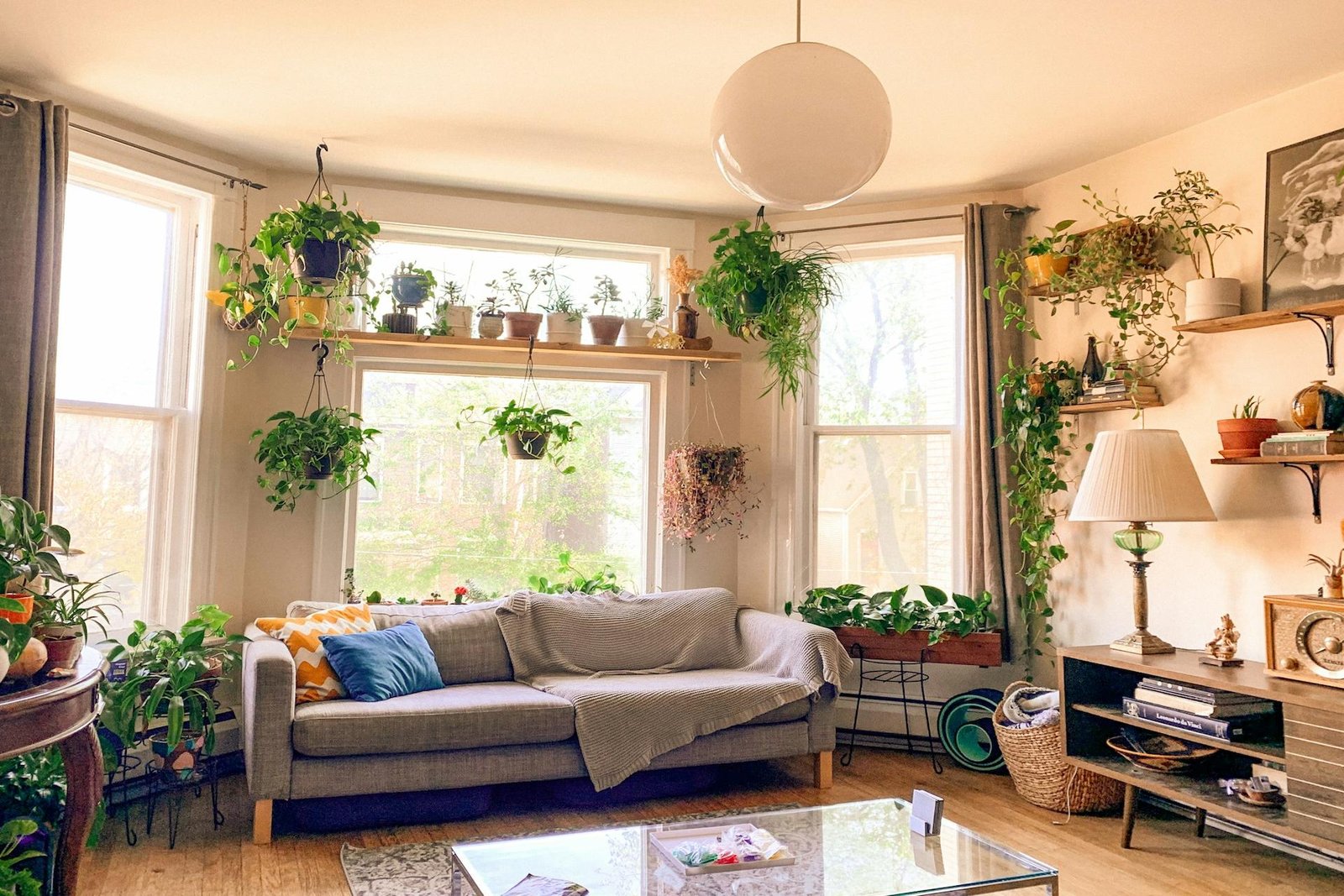
Bringing a touch of nature into your home is an effective way to improve the atmosphere and promote well-being. Adding indoor plants can brighten up a room, improve air quality, and create a calming, natural environment.
Place plants in areas where they can thrive, such as near windows for natural light. If you’re concerned about maintenance, opt for low-maintenance plants like succulents or snake plants. In addition to plants, incorporating natural materials like wood, cotton, and stone in your furniture or decor adds an organic feel that enhances the overall vibe of your space.
Make Energy-Efficient Improvements
Home improvement isn’t just about looks; it’s also about functionality. One of the best ways to improve your home in the long run is by making it more energy-efficient. Simple updates, like switching to LED lighting or upgrading to energy-efficient appliances, can help reduce your monthly utility bills and lower your environmental impact.
Insulation plays a key role in making your home more energy-efficient as well. Adding insulation to areas like the attic or walls can help maintain a comfortable temperature throughout the year. A smart thermostat that learns your heating and cooling preferences can also ensure that energy isn’t being wasted. These changes not only benefit the planet but also save you money in the long run.
Personalise Your Space
Lastly, make your home truly yours by personalising it. A home that reflects your personality and interests will naturally feel more welcoming. Whether it’s through your choice of colours, art, or sentimental items, personalise your space so that it tells your story.
Displaying meaningful items, such as family photos, souvenirs, or personal collections, can make a room feel more special. Creating dedicated spaces for activities you enjoy, such as a reading nook or a hobby corner, also ensures that your home works for your lifestyle. The goal is to make your space feel like a true reflection of who you are.
Wrapping Up:
Improving your home doesn’t have to be a grand, expensive project. Often, it’s the small, thoughtful changes that make the biggest difference. By focusing on decluttering, lighting, comfort, and personalisation, you can transform your living space into a more functional and enjoyable place to be.
Start with one simple change today, and watch how it improves your everyday life. Over time, these improvements will create a home that feels comfortable, welcoming, and uniquely yours.