Utah summers are known for intense sunshine, low humidity, and temperatures that can climb well into the triple digits. While the dry climate can make hot weather feel different from humid regions, it still places considerable demands on residential air conditioning systems. Homeowners may notice longer cooling cycles, higher energy use, uneven indoor temperatures, or more frequent maintenance needs as outdoor temperatures rise.
Understanding how Utah’s dry heat affects an AC system can help homeowners make smarter decisions about maintenance, energy use, and indoor comfort. Investing in efficient air conditioning for Utah homes can also make it easier to maintain comfortable indoor temperatures without placing unnecessary strain on cooling equipment.
Why Utah’s Dry Heat Is Different
Utah’s climate is generally much drier than that of humid states. Low humidity can make outdoor heat feel less oppressive because sweat evaporates more easily from the skin. However, dry air does not mean an air conditioning system has an easy job.
During a hot summer afternoon, the temperature difference between the outdoors and a home’s desired indoor temperature can become significant. If the thermostat is set around 72 to 75 degrees while outdoor temperatures reach 95, 100, or higher, the AC system has to continuously move heat from inside the home to the outdoors.
That process requires energy, and the hotter the outdoor environment becomes, the harder the system may need to work to maintain the selected indoor temperature.
Extreme Heat Can Increase Cooling Demand
Air conditioners are designed to remove heat from indoor spaces, but extremely high outdoor temperatures can affect how efficiently they operate. The outdoor condenser releases the heat collected from inside the house. When surrounding outdoor air is already very hot, removing that heat can become more challenging.
As a result, an AC system may run for longer periods during the hottest part of the day. Longer cycles are not necessarily a sign of a problem; an appropriately sized system may need extended run times during extreme heat. However, unusually long or nearly continuous operation can indicate that the system is struggling.
Factors such as poor insulation, air leaks, dirty filters, aging equipment, or inadequate airflow can make the situation worse.
Dry Air Still Affects Indoor Comfort
One advantage of Utah’s dry climate is that homeowners generally do not have to deal with the heavy moisture associated with humid summer conditions. However, very dry indoor air can create a different set of comfort concerns.
Excessively dry air may contribute to dry skin, irritated eyes, and discomfort, particularly when an air conditioner operates frequently. Cooling systems naturally remove some moisture from indoor air, although humidity removal is typically more significant in humid climates.
Maintaining reasonable indoor humidity can therefore be part of creating a comfortable home environment. Homeowners who experience persistent dryness may want to consider whether ventilation, indoor humidity levels, or other factors are affecting comfort.
Dust and Air Quality Can Become Bigger Concerns
Utah’s dry conditions can also contribute to airborne dust. When outdoor conditions are dry and windy, dust and other particles can find their way into homes through doors, windows, gaps, and ventilation pathways.
The AC system’s air filter plays an important role in capturing airborne particles before they circulate throughout the home. A dirty or clogged filter, however, can restrict airflow and make the system work harder.
Checking the filter regularly is one of the simplest maintenance tasks homeowners can perform. How often it needs to be replaced depends on factors such as the type of filter, household conditions, pets, and indoor air quality needs.
Outdoor Condensers Need Adequate Airflow
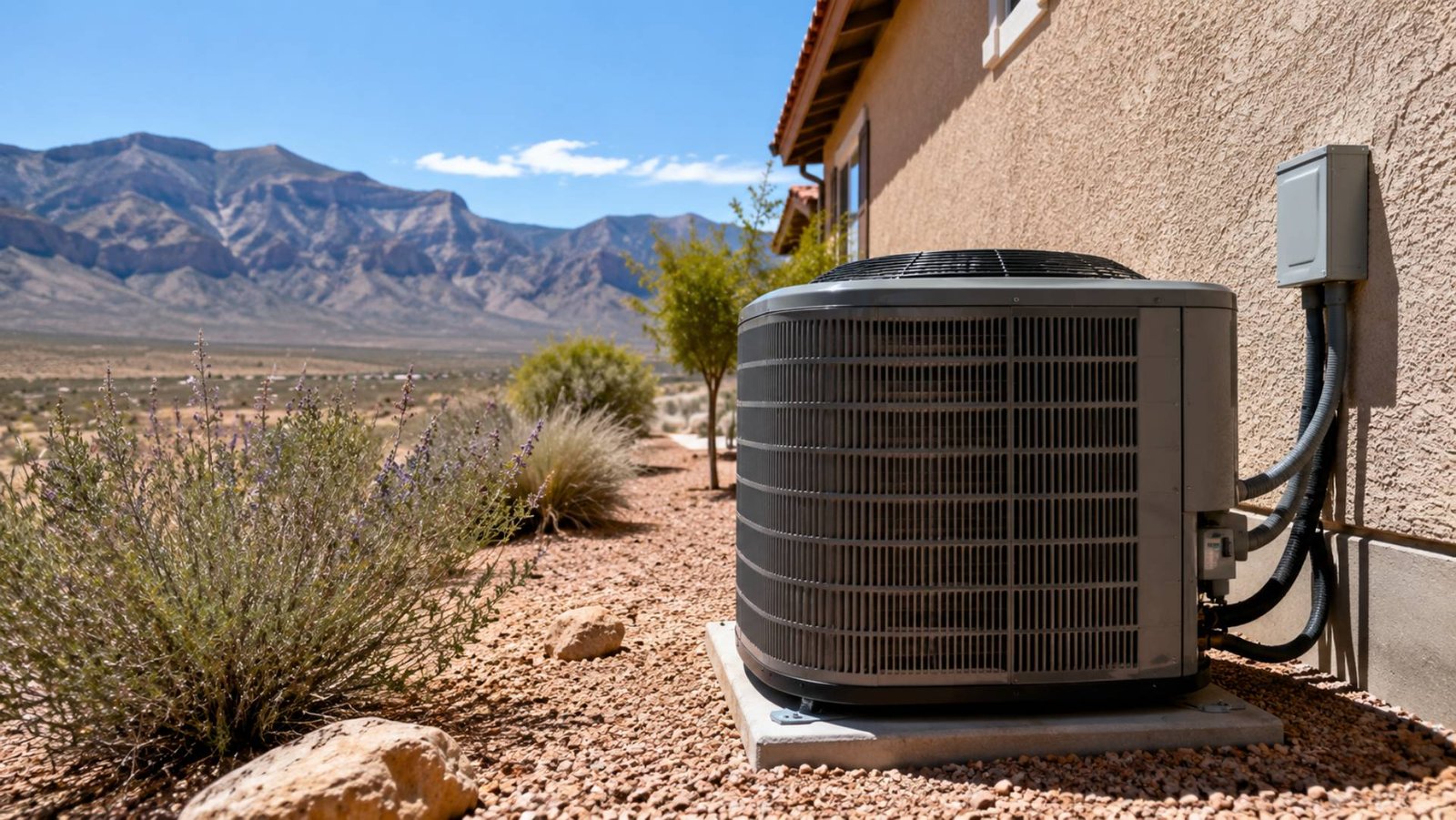
The outdoor condenser is especially important during Utah’s hottest months. It needs sufficient airflow to release the heat collected from inside the home.
Leaves, grass clippings, dirt, and other debris can accumulate around the outdoor unit and restrict airflow. While some surface debris can be removed carefully by homeowners, deeper cleaning and technical maintenance may require professional attention.
Keeping vegetation trimmed away from the condenser can also help maintain adequate airflow. The area surrounding the unit should generally remain clear rather than being enclosed by plants, storage items, or other obstructions.
Insulation Makes a Major Difference
An efficient air conditioner cannot compensate indefinitely for a poorly insulated home. During extreme summer heat, inadequate insulation allows heat to move into the house more easily, increasing the cooling load.
Attic insulation can be particularly important because roofs are exposed to intense solar heat. If the attic becomes extremely hot and insulation is insufficient, that heat can eventually affect the living spaces below.
Sealing obvious air leaks around doors, windows, and other openings can also help reduce unwanted heat transfer. These improvements can complement the work performed by the AC system and help maintain more stable indoor temperatures.
Thermostat Habits Can Reduce Unnecessary Strain
How a homeowner uses the thermostat can influence AC performance. Setting the temperature extremely low does not necessarily cool a home faster. Instead, it can cause the system to operate longer in an effort to reach an unnecessarily low target.
A moderate thermostat setting can provide a balance between comfort and energy consumption. Programmable or smart thermostats can also help homeowners adjust temperatures based on occupancy and daily schedules.
Closing blinds or curtains during the hottest part of the day can provide another simple way to reduce solar heat entering rooms, particularly through south- and west-facing windows.
Regular Maintenance Helps During Peak Summer
Routine maintenance becomes especially valuable before and during periods of extreme heat. A professional inspection can identify issues involving refrigerant levels, electrical components, airflow, coils, drainage, and other parts of the system.
Homeowners should also pay attention to warning signs such as unusual noises, weak airflow, inconsistent cooling, unexpected increases in energy consumption, or frequent cycling.
Addressing smaller problems early may help prevent more serious failures when the system is under its greatest workload.
Keeping Utah Homes Comfortable in Extreme Heat
Utah’s dry heat creates a distinctive environment for residential air conditioning systems. Although low humidity can make outdoor temperatures feel more manageable than similar temperatures in humid regions, the combination of intense heat, dust, solar exposure, and large indoor-outdoor temperature differences can still put substantial pressure on cooling equipment.
Homeowners can support AC performance by replacing filters when needed, keeping outdoor units clear, maintaining good insulation, managing sunlight, using sensible thermostat settings, and scheduling professional maintenance.
A well-maintained cooling system, combined with a home that is properly sealed and insulated, can make it easier to stay comfortable throughout Utah’s hottest months while reducing unnecessary strain on the equipment.
Conclusion
Utah’s dry heat can create demanding conditions for residential air conditioning systems, making proper maintenance and home efficiency especially important during the summer. Extended periods of extreme temperatures can increase cooling demand, while dust, restricted airflow, inadequate insulation, and excessive heat gain may place additional strain on AC equipment. Homeowners can support reliable air conditioning performance by replacing filters regularly, keeping outdoor condenser units clear, improving insulation, sealing air leaks, managing sunlight, and using sensible thermostat settings.
Professional air conditioning inspections and preventive maintenance can also help identify developing problems before they become costly repairs or unexpected breakdowns. By taking a proactive approach to AC care and improving overall home efficiency, Utah homeowners can maintain more consistent indoor temperatures, reduce unnecessary energy use, and help their residential cooling systems operate effectively throughout the hot, dry summer season.