Older homes often have character, solid construction and details that newer properties sometimes lack. Yet dated colours, worn fittings, poor lighting and awkward storage can make them feel tired. The good news is that creating a more modern look does not always require a full renovation.
A few carefully chosen home improvements can make a noticeable difference. Focus on the features people see and use every day, while keeping any original details that give the property personality. The aim is to make the home feel fresher, brighter and easier to live in rather than removing everything that makes it unique.
Refresh Walls With a Lighter Colour Scheme
Paint is one of the simplest ways to change the atmosphere of an older room. Dark or heavily patterned walls can make a space feel smaller, while warm whites, soft neutrals and muted natural shades usually create a cleaner and more open appearance.
You do not need to paint every room the same colour. Choose a small palette that flows naturally through the property. Keeping skirting boards, doors and trims in a consistent finish can also help separate rooms feel more connected.
Update Lighting Throughout the Home
Older homes often rely on one central ceiling light, which can leave corners dark and make rooms feel flat. Combining ceiling lights with floor lamps, table lamps and wall lights creates a softer, more practical lighting scheme.
Changing outdated light fittings can modernise a room quickly. Consider simple pendant lights, understated wall fittings or recessed lighting where appropriate. Choosing bulbs with a comfortable colour temperature can also make rooms feel warmer and more welcoming.
Replace Dated Handles and Fixtures
Small details have a surprisingly strong effect on how modern a room feels. Old cupboard handles, door knobs, taps and light switches can make otherwise attractive spaces look dated.
Replacing these items can provide an affordable update without disturbing the wider design. Keep finishes reasonably consistent throughout connected areas. Common choices include brushed metal, black, chrome and simple neutral finishes, depending on the style of the property.
Give Old Flooring Some Attention
Flooring covers a large area, so its condition strongly influences the overall appearance of a room. Worn carpet, damaged vinyl or heavily dated patterns can make an older home feel less cared for.
Before replacing everything, check whether original timber flooring can be repaired or refinished. Good-quality wooden floors can work beautifully in modern interiors. Where replacement is needed, choose practical flooring that suits the room and complements the property’s existing character.
Improve Storage to Reduce Visual Clutter
Modern-looking homes often feel calm because everyday belongings have somewhere to go. Older properties may have fewer fitted cupboards, which can lead to clutter gathering on worktops, tables and open shelves.
Look for ways to add storage without overcrowding rooms. Useful options include:
- Built-in shelving within alcoves
- Storage benches in hallways
- Beds with drawers underneath
- Tall cabinets that use vertical space
- Closed storage for cables and electronics
Well-planned storage makes rooms easier to use while allowing attractive period features to remain visible.
Modernise the Kitchen Without Replacing Everything
A dated kitchen does not always need to be completely removed. If the cabinet units are still sound, painting or replacing the doors can create a much fresher appearance for considerably less disruption than a full renovation.
New handles, worktops, splashbacks and lighting can further update the room. Keep the design simple and practical. Removing unnecessary items from worktops and organising storage can make even an older kitchen feel cleaner and more contemporary.
Give the Bathroom a Cleaner Look
Bathrooms can quickly show their age through worn sealant, dated fittings, old tiles and poor lighting. Replacing damaged finishes and carrying out small repairs can make the room look better before you consider larger improvements.
Simple changes such as a new mirror, modern taps, updated shower fittings and improved storage can have a strong effect. If existing tiles are in good condition, keeping them may save time and money. A clean, uncluttered bathroom often feels more modern than one filled with decorative features.
Mix Older Features With Modern Furniture
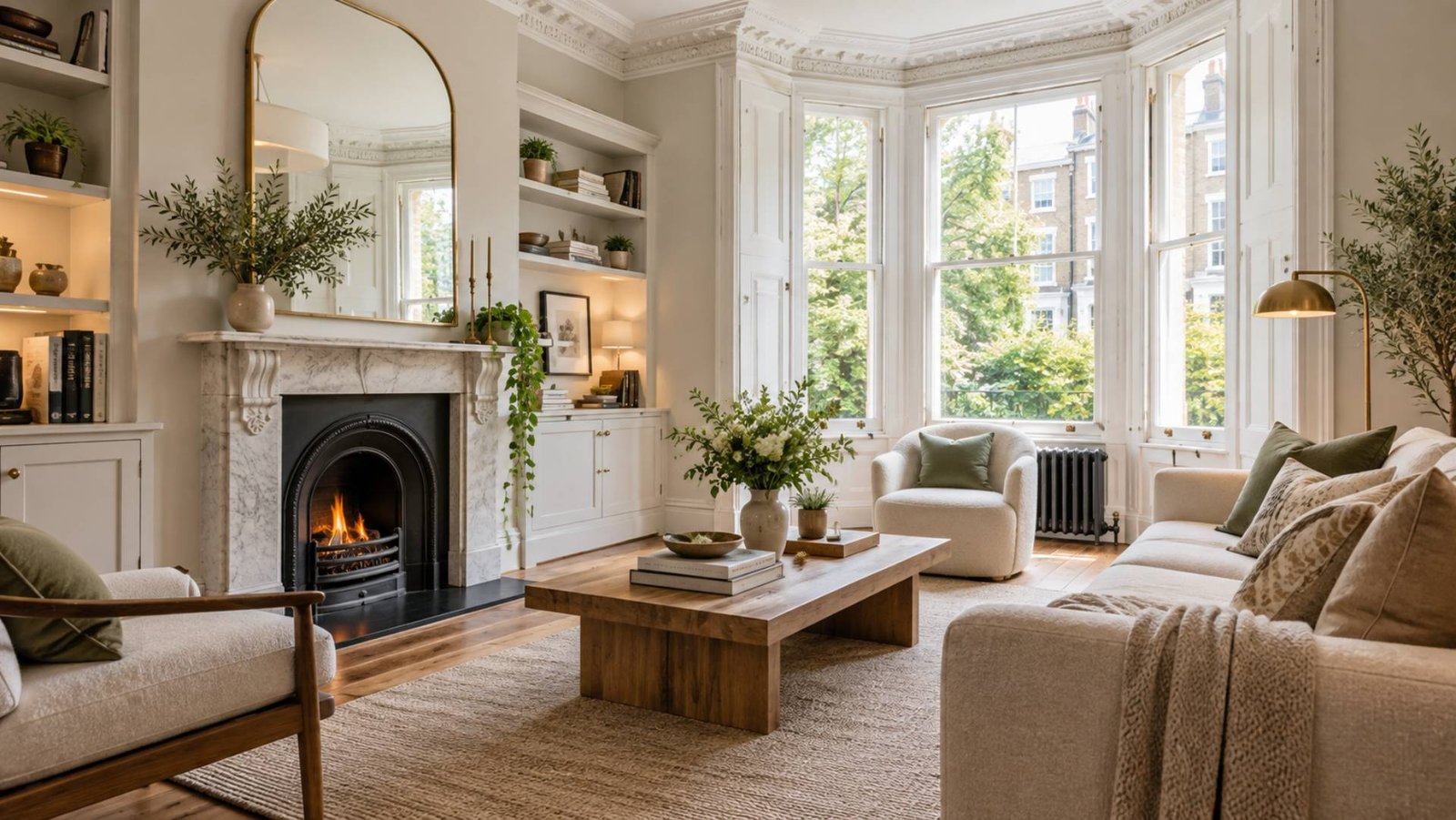
Making an older property feel current does not mean covering every traditional feature. Fireplaces, timber beams, original doors, decorative mouldings and other period details can become attractive focal points when paired with simpler furniture and décor.
Avoid filling rooms with furniture that copies the age of the property unless that is the look you genuinely want. Clean-lined sofas, simple tables and contemporary accessories can create balance while allowing original architectural details to stand out.
Make Windows Feel Lighter
Heavy curtains and bulky window treatments can reduce natural light and make rooms feel dated. Replacing them with lighter curtains, simple blinds or shutters can give a room a cleaner appearance.
Before replacing original windows purely for cosmetic reasons, consider their condition and the character of the property. Cleaning frames, repairing damaged areas and using simpler window coverings may provide enough visual improvement without losing attractive original features.
Add Modern Comfort Where It Matters
Some upgrades may not be immediately visible but can make an older home much more comfortable. Better heating controls, additional electrical sockets and improved ventilation can help the property function more like a modern home.
Energy efficiency is another area worth considering. Draught proofing, appropriate insulation and efficient heating or cooling equipment may improve comfort while reducing unnecessary energy use. Any work involving electrical systems, gas appliances or major building changes should be handled by suitably qualified professionals.
Keep the Best Original Features
One of the easiest mistakes is trying to make an older home look completely new. Removing every original feature can take away the character that made the property appealing in the first place.
Instead, decide which details are worth keeping and build your updates around them. An original fireplace might look striking against freshly painted walls, while traditional timber flooring can work well with modern furniture. The strongest interiors often combine old and new rather than choosing only one style.
Conclusion
Making an older home feel more modern is usually about thoughtful updates rather than major structural change. Fresh paint, better lighting, practical storage, updated fittings and simpler furnishings can transform how a property looks and functions.
Work through the home gradually and focus on the improvements that will make the biggest difference to everyday life. Keep worthwhile original features, remove what genuinely feels outdated and choose new elements that suit the property. The result can feel fresh and comfortable while still retaining the character that makes an older home special.