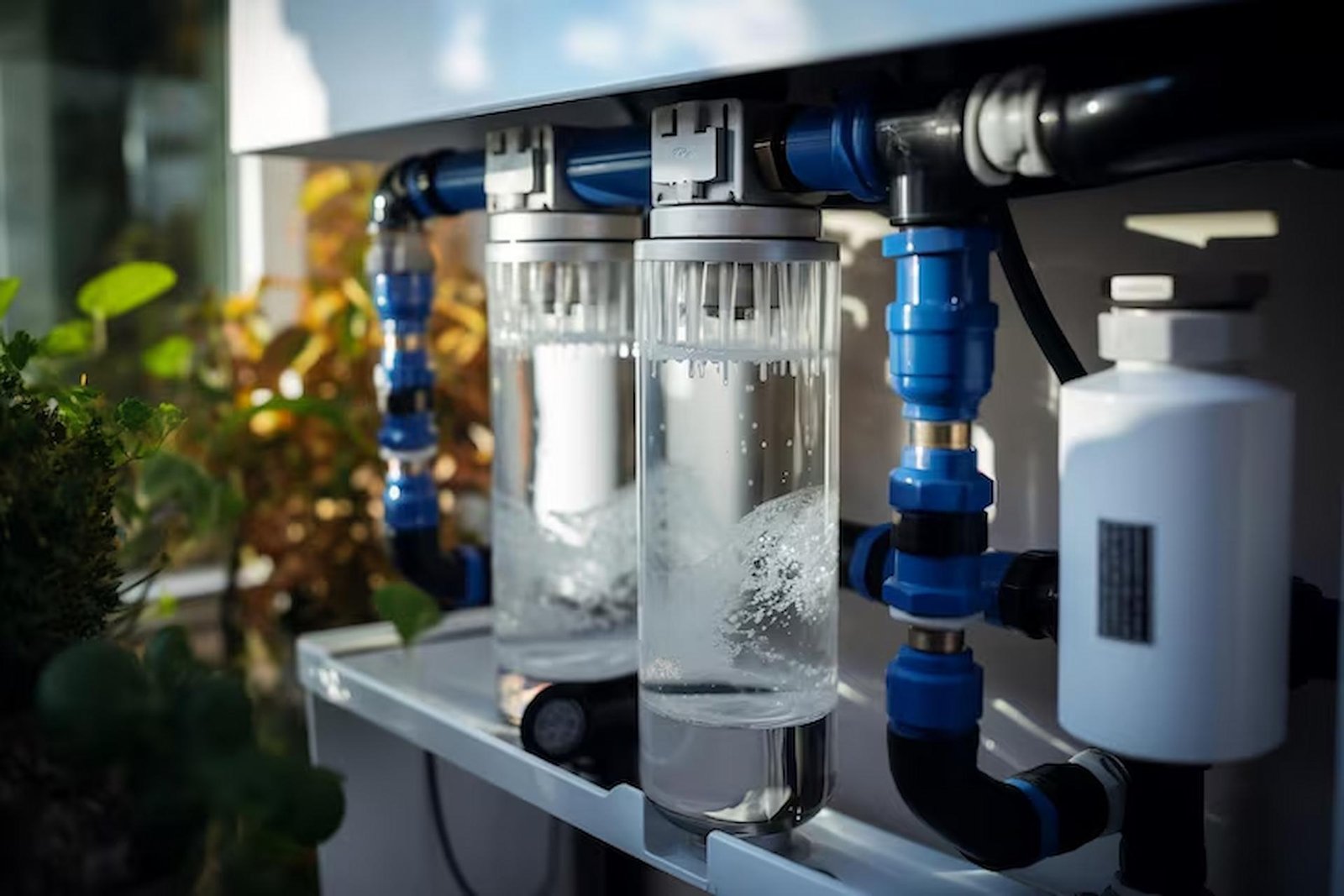
Ensuring the purity of your drinking water starts with choosing the right filtration system. Two commonly used options are reverse osmosis water filters and standard filters. While both promise clean, safe water, how do they truly stack up? In this article, we’ll compare reverse osmosis systems with standard filters, looking at their effectiveness, benefits, and how they each provide purified water for your home.
What is Reverse Osmosis?
Reverse osmosis (RO) is a filtration method that forces water through a semi-permeable membrane to remove impurities. This process effectively eliminates contaminants such as chlorine, lead, fluoride, heavy metals, and other harmful substances. The result is clean, great-tasting water free from toxins and pollutants.
An essential feature of reverse osmosis systems is their multi-stage filtration process. For example, a reverse osmosis water filter Perth offers up to seven stages of purification, ensuring that water is thoroughly filtered before it reaches your tap. These stages typically include pre-filtration to remove larger particles, followed by fine filtration to catch smaller contaminants, and finally, the reverse osmosis membrane that filters out dissolved impurities.
How Do Standard Filters Work?
Standard filters, on the other hand, often use activated carbon or similar materials to remove contaminants. While they are effective at removing chlorine, bad odours, and some other impurities, they don’t provide the same level of filtration as reverse osmosis systems. Standard filters are typically more affordable and easier to maintain, but they may not remove harmful substances such as heavy metals, pesticides, or fluoride as efficiently as RO systems.
Key Differences Between Reverse Osmosis and Standard Filters
- Purification Strength: Reverse osmosis systems are superior in removing a wider range of contaminants, including heavy metals, fluoride, and dissolved solids. Standard filters are effective for removing chlorine and sediment but may leave behind other harmful substances.
- Taste and Odour: Reverse osmosis systems tend to produce cleaner-tasting water with no odour, while standard filters may leave behind unpleasant tastes, especially if they are not replaced regularly.
- Water Waste: One of the drawbacks of reverse osmosis is that it generates waste water during the filtration process. For every gallon of purified water, several gallons of wastewater are produced. Standard filters typically don’t have this issue and are more efficient in terms of water usage.
- Cost and Maintenance: Reverse osmosis systems are often more expensive and require regular maintenance, including replacing filters and membranes. Standard filters are more affordable upfront and require less maintenance.
Reverse Osmosis Water Filter Benefits
Despite the higher initial cost and maintenance requirements, the benefits of reverse osmosis water filters are significant, especially for households concerned with water quality and health. Some of the main reverse osmosis water filter benefits include:
- Superior Contaminant Removal: RO systems are highly effective at removing harmful chemicals, heavy metals, and microorganisms.
- Healthier Water: RO filters ensure that your water is free from toxins that could pose a risk to your health, such as lead, arsenic, and nitrates.
- Improved Taste: By removing unwanted minerals and chemicals, reverse osmosis systems offer cleaner, more refreshing-tasting water.
- Better for Cooking: With fewer contaminants in your water, your food and beverages will taste better, too. Many chefs and health-conscious individuals prefer using RO water for cooking.
Is Reverse Osmosis the Right Choice for You?
If you are concerned about the quality of your tap water and want to ensure it is free from a wide range of contaminants, investing in a reverse osmosis water filter Perth may be the best choice. However, it’s essential to weigh the pros and cons of the system, including the cost and water waste, to determine if it suits your needs.
For those who simply want to improve the taste and smell of their drinking water, a standard filter may be sufficient. However, if you want to enjoy pure, clean water free from even the smallest contaminants, a reverse osmosis system is likely the better option.
Conclusion
Choosing between a reverse osmosis system and a standard filter comes down to your specific water purification needs. While standard filters are cost-effective and straightforward, reverse osmosis systems provide superior filtration, ensuring that you and your family have access to the cleanest, healthiest water possible. Consider your priorities—whether it’s better taste, more thorough purification, or budget—and make an informed decision.