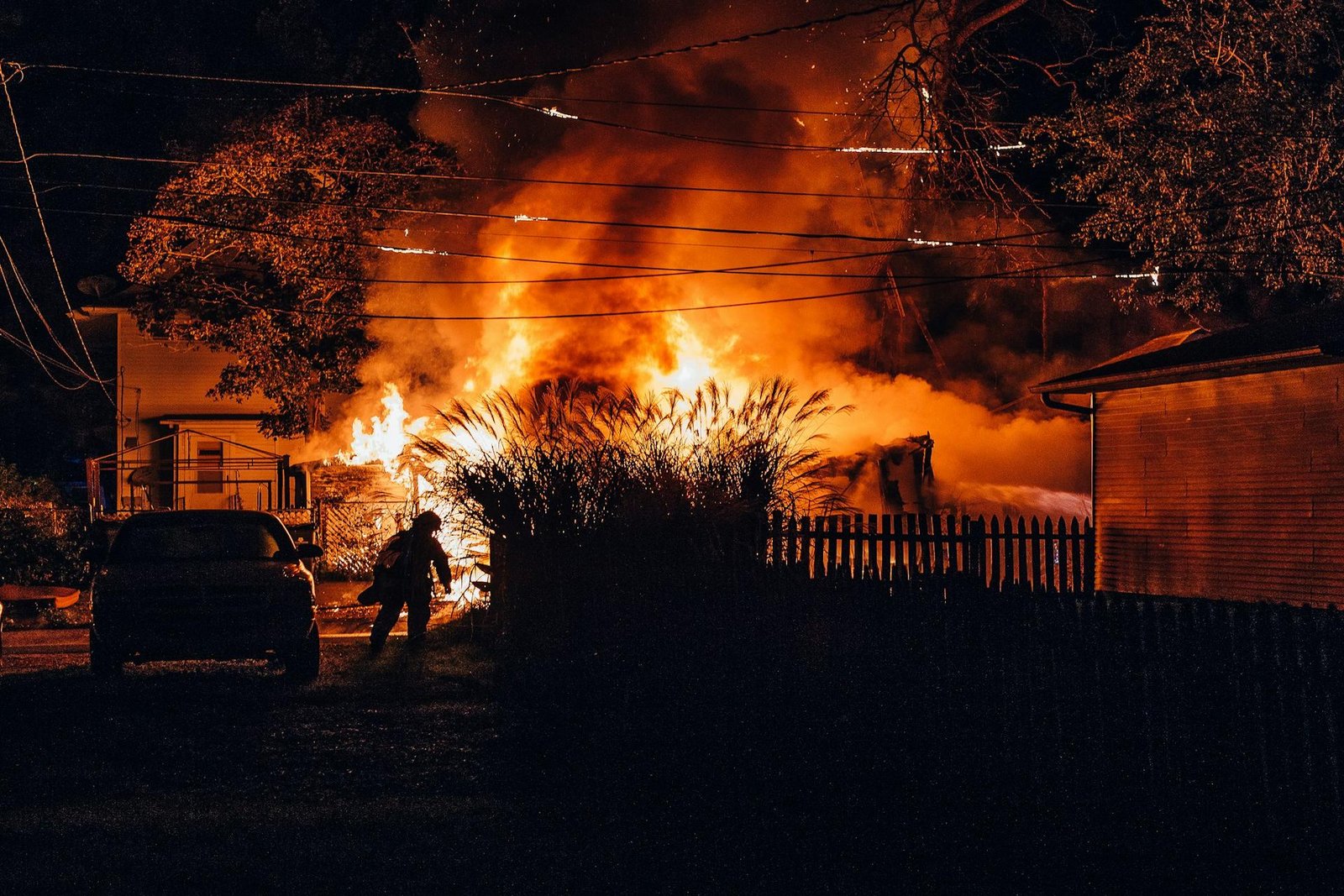
Experiencing a house fire is one of the most distressing events a homeowner can face. In the immediate aftermath, shock and uncertainty often take over, leaving families wondering how to begin rebuilding their lives and their living space. The physical damage from flames, combined with smoke and water, can feel overwhelming, yet with a structured approach and professional support, recovery is achievable. Many homeowners find that understanding the fire damage restoration process brings a sense of control during a chaotic time.
The road to normality involves more than simply clearing debris. It requires addressing hidden issues such as structural weaknesses, lingering odors, and potential health hazards from soot and residues. Acting promptly helps minimize secondary damage, particularly from water used by firefighters, which can lead to mould if left unchecked. Professional fire damage restoration specialists play a vital role in guiding homeowners through each stage, ensuring the property is returned to a safe, habitable condition.
Immediate Steps to Take After a Fire
Safety must come first. Never re-enter your home until the fire and rescue service has declared it structurally sound and free from immediate dangers. Even after the flames are extinguished, risks such as weakened floors, exposed wiring, or toxic fumes may persist. Once cleared, contact your insurance provider without delay to start the claims process and understand what is covered under your policy.
Document everything. Take photographs and videos of the damage before any cleanup begins, noting affected rooms, belongings, and structural elements. This evidence supports your claim and helps restoration experts create an accurate plan. Secure the property by boarding up broken windows and doors to protect against the weather and theft. If necessary, arrange temporary accommodation for your family while the work is carried out.
Turn off utilities if safe to do so, but only after consulting qualified professionals. Gas, electricity, and water supplies can pose additional hazards in a fire-damaged home. Reach out to local authorities or support organizations for assistance with emergency needs, such as clothing, food, or essential documents that may have been lost or damaged.
Understanding the Types of Fire Damage
Fires affect homes in multiple ways beyond visible charring. Structural damage occurs when intense heat compromises beams, walls, and foundations, potentially leading to instability. Smoke and soot can penetrate deep into porous materials like drywall, carpets, and upholstery, leaving behind corrosive residues and persistent odors that are difficult to eliminate without specialist equipment.
Water damage is a frequent secondary issue. Firefighters often use large volumes of water, which saturates floors, walls, and ceilings. If not addressed quickly, this moisture encourages mould growth and further deteriorates materials. Chemical residues from burning plastics, fabrics, or household items can also create health concerns, including respiratory irritation.
Each type of damage requires a tailored response. Professionals assess not only what is obviously destroyed but also hidden effects revealed through tools such as moisture meters and thermal imaging cameras. This comprehensive evaluation ensures nothing is overlooked during the recovery.
The Professional Fire Damage Restoration Process
Restoration typically follows a logical sequence designed to stabilize the property and prevent further harm. It begins with a detailed assessment to map the full extent of the damage and develop a tailored plan. Securing the site often involves temporary roofing, boarding, or fencing to shield the home from the elements.
Water extraction and drying come next. Industrial-grade pumps, dehumidifiers, and air movers remove standing water and reduce humidity levels, minimizing the risk of mould. Once the environment is stabilized, debris removal and demolition of unsalvageable materials take place. Charred wood, drywall saturated with water, and heavily contaminated items are carefully disposed of in accordance with safety regulations.
Cleaning and soot removal form a critical phase. Specialized techniques, including HEPA vacuuming and chemical sponges, address smoke residues on surfaces. Odor control involves advanced methods such as thermal fogging or ozone treatment to neutralize embedded smells. Finally, repairs and reconstruction restore the home’s structure and finishes, bringing it back to its pre-loss condition or better.
Throughout the process, communication with the restoration team and insurer keeps everything on track. Timelines vary: minor incidents might resolve in a couple of weeks, while extensive structural work can take several months.
Key Considerations When Choosing Restoration Experts
Selecting the right team makes a significant difference to both the outcome and your stress levels. Look for certified professionals with experience in handling fire-related claims and a track record of working alongside insurance companies. Reputable providers offer 24/7 emergency response, which is essential in the critical first hours after an incident.
Transparency matters. A good company provides clear timelines, detailed cost estimates, and regular progress updates. They should also explain how they handle contents cleaning—many salvageable items, from furniture to sentimental belongings, can be restored off-site using specialist techniques.
Consider health and safety standards. Experts use appropriate personal protective equipment and follow protocols to manage hazardous materials, ensuring the restored home is not only visually repaired but also safe for your family to inhabit.
Here are some practical tips to support the restoration process:
- Prioritize safety documentation: Keep records of all communications with insurers, contractors, and authorities.
- Separate salvageable items: If safe to do so, move undamaged belongings to a secure area to prevent cross-contamination.
- Ventilate when appropriate: Once professionals advise, controlled airflow helps reduce odors, but avoid this if it risks spreading soot.
- Focus on one room at a time: Breaking the project into manageable sections can make the overall recovery feel less daunting.
- Plan for temporary living: Budget time and resources for alternative accommodation, factoring in potential delays from insurance approvals or material supply issues.
- Review fire prevention measures: As rebuilding progresses, consider upgrading smoke alarms, fire extinguishers, and escape plans to reduce future risks.
Emotional and Practical Recovery
Recovering from fire damage extends beyond the physical structure. The emotional toll on families can be considerable, with feelings of loss, disruption, and anxiety about the future. Allow time for processing these emotions and lean on support networks, whether friends, family, or community services.
On a practical level, replacing essential documents—passports, driving licenses, and financial records—should be high on your list. Many insurers offer guidance on this, and local councils can sometimes provide temporary assistance.
Patience is key. While professionals handle the technical aspects, your involvement in decision-making helps ensure the restored home reflects your needs and preferences. Many homeowners emerge from the experience with a stronger, more resilient property and a renewed appreciation for fire safety.
Conclusion
Returning a fire-damaged home to normal requires careful planning, professional expertise, and time. By addressing immediate safety concerns, understanding the different forms of damage, and following a proven restoration sequence, homeowners can navigate the process more confidently. Engaging qualified fire-damage restoration services ensures a thorough, safe, and efficient recovery, allowing you to focus on rebuilding your life in a space that once again feels like home. Though the journey may test your resilience, the end result is often a safer and more thoughtfully prepared living environment.