

Health and safety standards shape the quality, confidence, and consistency of care delivered in residential settings. Understanding how these practices work together helps families recognise what responsible care looks like, how risks are managed, and why strong safety frameworks remain central to everyday life in modern care homes.
Health and safety are central to the quality and reliability of residential care. In a professional care home in Waltham Abbey, safety measures are designed to protect residents while preserving comfort, dignity, and independence. Rather than isolated rules, these practices operate as interconnected systems supported by trained staff, clear procedures, and regular oversight. As care environments support individuals with varying physical and cognitive needs, robust safety planning becomes essential. This article examines the key health and safety practices commonly implemented in care homes, explaining how they function, why they matter, and how they contribute to a stable, well-managed care setting.
Regulatory Standards That Shape Safe Care Environments
Care homes operate within regulated frameworks that define safety expectations across all aspects of care delivery. These standards guide infection prevention, staffing competence, medication handling, food hygiene, and emergency preparedness. Ongoing compliance ensures that care practices remain consistent, accountable, and aligned with nationally recognised benchmarks. Internal reviews and routine inspections help maintain oversight, allowing policies to be refined as needs evolve and regulations update.
Infection Control as a Daily Operational Priority
Infection prevention is embedded into everyday routines within care homes. Structured cleaning schedules, hygiene protocols, and health monitoring systems reduce the risk of illness while protecting vulnerable residents. Staff follow clear procedures for hand hygiene, protective equipment use, and environmental sanitation. These measures are designed to operate efficiently without disrupting daily life, supporting a safe and comfortable living environment.
Medication Management and Clinical Safety Oversight
Safe medication practices are fundamental to resident wellbeing. Care homes maintain controlled storage systems, accurate records, and clearly defined administration processes. Health observations are documented consistently to support continuity of care and timely clinical responses. These safeguards help reduce errors while ensuring residents receive appropriate support tailored to their individual health needs.
Fire Safety and Emergency Preparedness Planning
Emergency readiness is a critical component of health and safety management. Care homes conduct structured risk assessments to identify potential hazards and maintain prevention measures such as alarms, signage, and accessible evacuation routes. Staff training ensures preparedness, enabling calm and coordinated responses during emergencies. Regular reviews help confirm that systems remain effective and aligned with regulatory expectations.
Falls Prevention and Safe Mobility Support
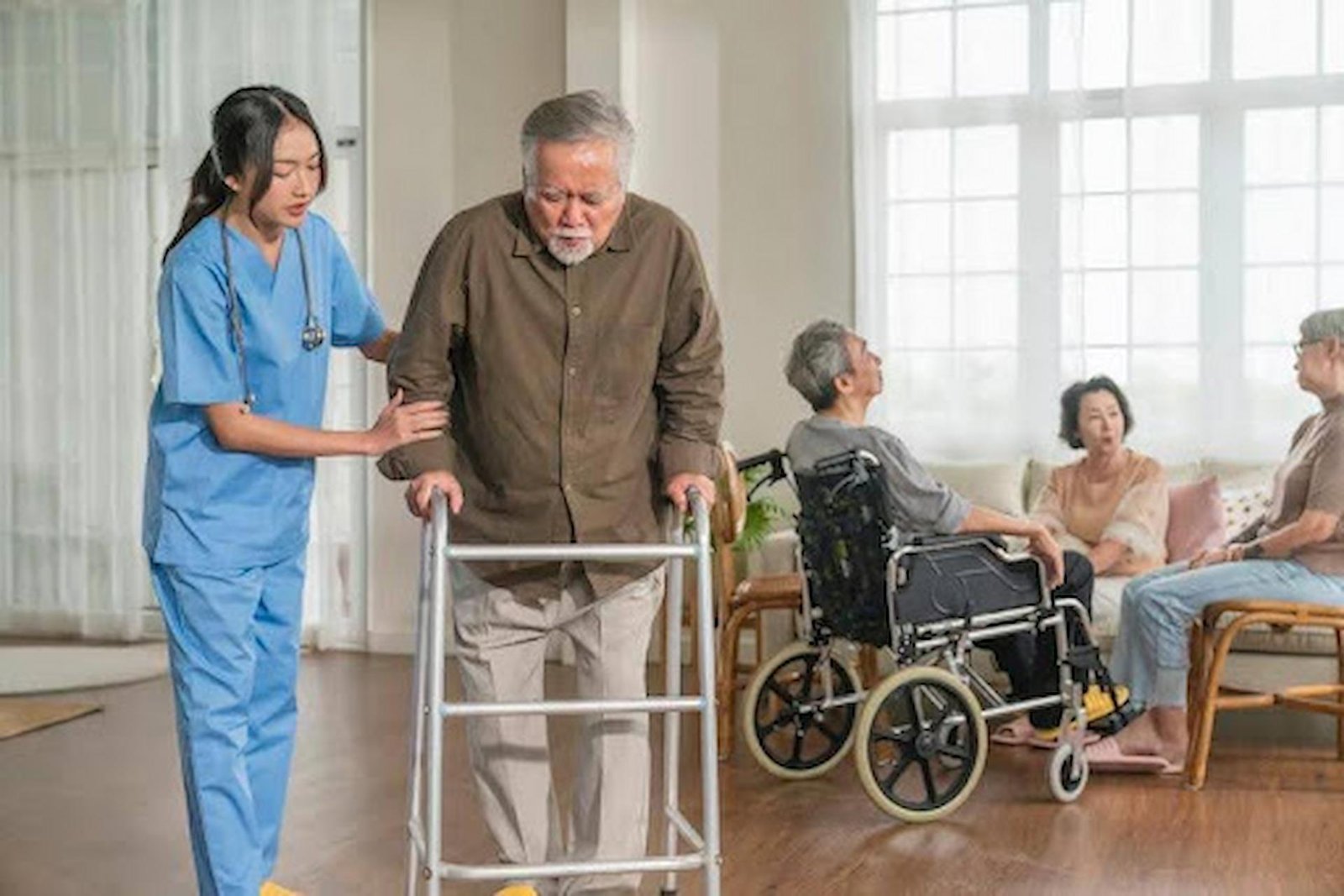
Mobility safety is addressed through thoughtful environmental planning and individual risk assessment. Care homes reduce hazards by maintaining clear walkways, appropriate lighting, and supportive layouts. Each resident’s mobility needs are reviewed to ensure the right level of assistance is provided without limiting independence. This balance helps residents move with confidence while minimising preventable injuries.
Food Safety and Nutritional Hygiene Management
Food safety practices protect both health and comfort within care settings. Kitchens follow hygiene standards covering storage, preparation, and service. Nutritional oversight ensures dietary requirements are met accurately, supporting hydration, allergies, and modified diets where required. These processes work together to safeguard physical wellbeing while maintaining enjoyable dining experiences.
Staff Training and Safety Awareness Culture
A strong safety culture depends on knowledgeable and confident staff. Care homes provide mandatory training covering health and safety responsibilities, safeguarding, and emergency procedures. Ongoing development ensures teams stay informed about updated regulations and best practices. Consistent training reinforces accountability and supports safe decision-making in daily care delivery.
Risk Assessment and Incident Management Systems
Risk management is proactive rather than reactive. Care homes regularly assess potential risks linked to daily activities, equipment use, and resident needs. Clear incident reporting processes allow issues to be reviewed and addressed promptly. This continuous improvement approach strengthens safety outcomes and supports long-term quality assurance.
Balancing Safety With Dignity and Independence
Effective safety planning respects personal autonomy. Care homes aim to protect residents without creating unnecessary restrictions. Individualised safety strategies support choice, confidence, and participation in daily life. This approach ensures safety enhances wellbeing rather than limiting it.
Frequently Asked Questions
How do health and safety practices protect residents in care homes?
Health and safety practices reduce preventable risks by controlling infection, managing medication safely, preventing falls, and ensuring emergency readiness. These systems work together to protect physical wellbeing while maintaining a stable, supportive living environment.
How often are safety procedures reviewed in care homes?
Safety procedures are reviewed regularly through internal audits, staff feedback, incident analysis, and regulatory inspections. This ongoing review process ensures policies remain effective, compliant, and responsive to changing resident needs.
What role does staff training play in care home safety?
Staff training ensures care teams understand safety protocols, risk management, safeguarding duties, and emergency response procedures. Well-trained staff can act confidently and consistently, which is essential for maintaining a safe and reliable care environment.
How do care homes manage emergency situations safely?
Care homes use structured emergency plans supported by risk assessments, clear evacuation routes, alarm systems, and trained staff. Regular drills and updates ensure preparedness, helping protect residents during unexpected events.
How is infection control maintained without disrupting daily life?
Infection control is integrated into routine operations through cleaning schedules, hygiene practices, and health monitoring. These measures operate efficiently in the background, protecting residents while preserving comfort and normal daily routines.
How do care homes balance safety with resident independence?
Safety strategies are personalised to individual needs, ensuring protection without unnecessary restrictions. This approach allows residents to remain active, confident, and involved in daily life while still benefiting from a secure environment.
Conclusion
Health and safety practices are fundamental to delivering consistent, high-quality care in residential settings. From regulatory compliance and infection control to medication safety, emergency preparedness, and staff training, each system plays a vital role in protecting wellbeing while maintaining comfort and dignity. When these practices operate cohesively, they create an environment where residents feel secure, supported, and respected. In a professionally managed care home in Waltham Abbey, safety is not treated as a standalone obligation but as an integral part of daily care delivery. For families, understanding how these measures work together offers reassurance that risks are managed responsibly and transparently. Strong health and safety frameworks ultimately support trust, stability, and long-term wellbeing, ensuring care homes remain places where individuals can live confidently and comfortably within a structured and protective environment.